Featured / Live AI Tool
The Comedy Lab
Make an AI joke about any topic, choose its style and tone, then inspect the punchline and comedy mechanisms.
Open the AI joke generatorInteractive AI humor workbench · Live tools
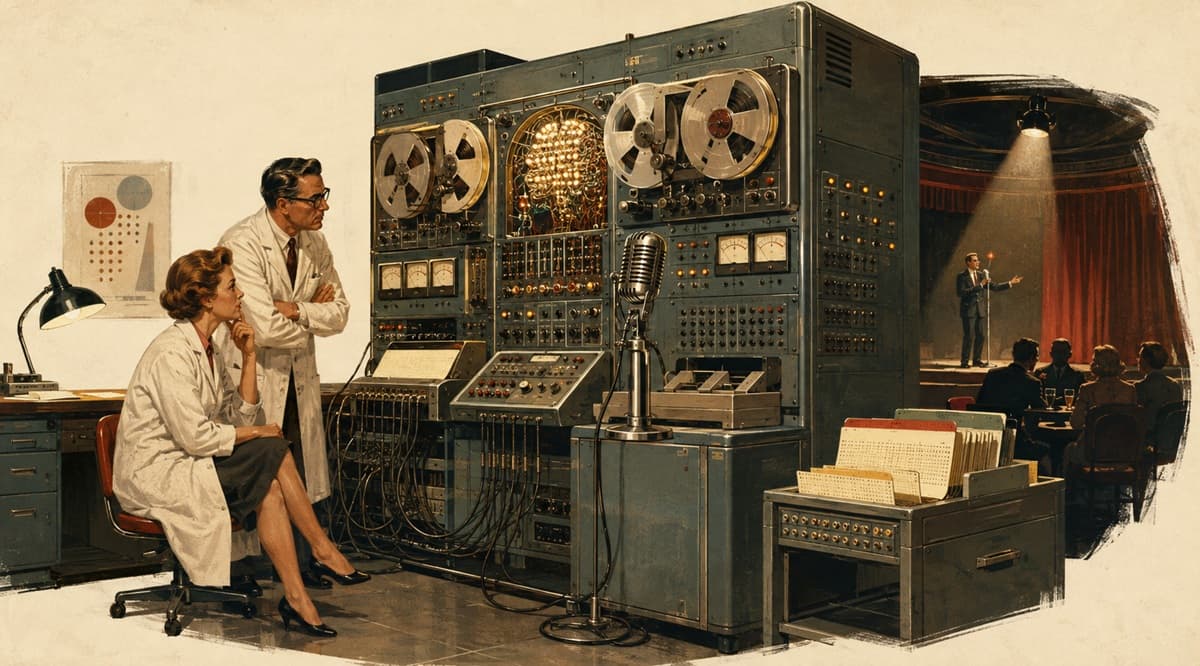
Generate a joke about any topic, reshape a flat premise, and pull apart the mechanics of a punchline. Test, tweak, and deconstruct machine wit with live AI tools and guided experiments that reveal what machine humor can do—and where it still falls apart.
Featured / Live AI Tool
Make an AI joke about any topic, choose its style and tone, then inspect the punchline and comedy mechanisms.
Open the AI joke generatorExperimental stations
ARTFunny is built as a laboratory, but the equipment varies. Some stations compare writing, some dissect structure, and others test how much context a joke needs before it makes sense. Eight stations are now open, including three live AI tools; every live station retains a prebuilt demonstration so the laboratory remains useful during a provider outage.
Choose a subject, style, tone, and surprise level, then examine what a live comedy model attempts.
Open the AI joke generatorCompare two credible comic attempts, make a judgment, and see whether authorship changes the way the joke feels.
Guess the authorBreak a joke into setup, assumption, turn, punchline, and mechanism without pretending the dissection explains every laugh.
Dissect a jokeStart with an ordinary sentence and compare several comic transformations to see how framing changes the result.
Transform a sentenceTrace literal meaning, implied knowledge, wordplay, references, and the moment an expected interpretation is replaced by another.
Analyze a jokeDescribe humor through consistent interpretive dimensions such as misdirection, absurdity, context dependence, tone, and surprise.
Profile a jokeUse short statements plus context to decide whether the intended meaning is literal, sarcastic, or less obvious than either.
Test your readingFollow one premise from literal wording through increasingly comic treatments and inspect exactly what changes along the way.
Turn the humor dialNot sure where to begin? Choose whether you want to generate, rewrite, analyze, or test a joke, then find the right station.
Compare all stationsSpecimen output
Every specimen here is curated rather than presented as a definitive test of machine wit. The joke is only half the exhibit: ARTFunny also examines its structure, the mechanism it appears to use, and reasons it may land or fail. That analysis is editorial and interpretive. Comedy has no universal meter, and a technically tidy setup can still produce complete silence.
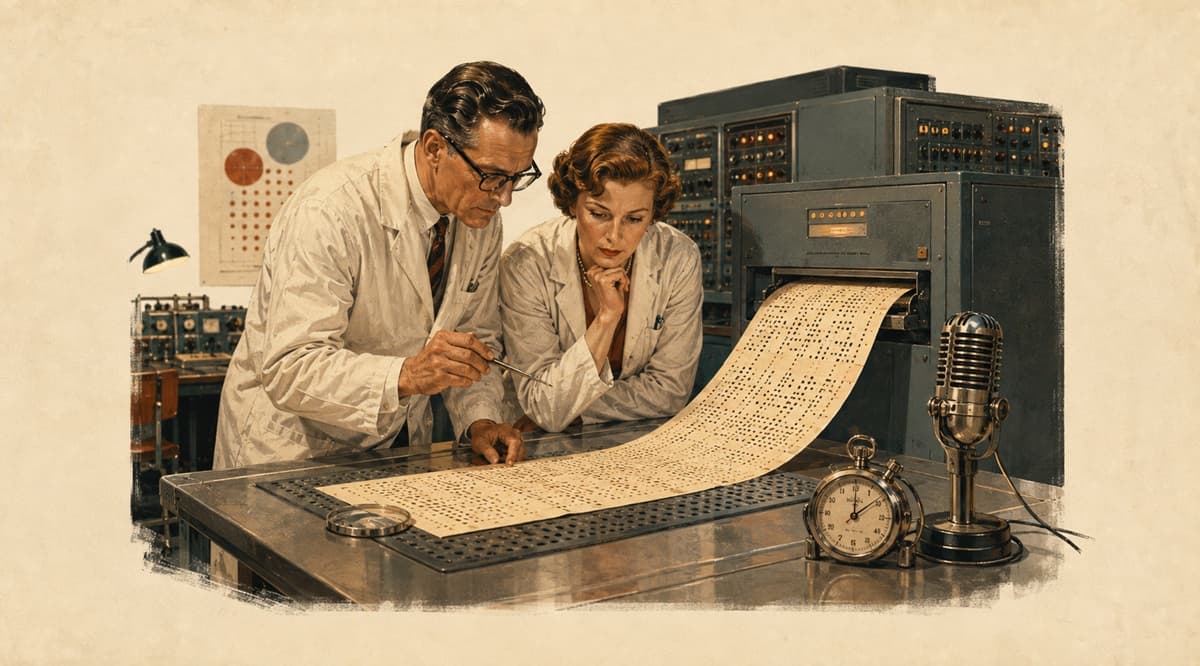
The store offered me ten percent off if I spent fifty dollars more. Financially, I was cornered by savings.
The joke highlights the contradictory feeling created by spending more in order to save. The second sentence treats a voluntary discount offer as a trap, reversing the ordinary meaning of 'savings.' Its deadpan financial language makes the irrational purchase logic sound almost compulsory.
Many shoppers recognize threshold discounts, and 'cornered by savings' captures the self-justifying logic in a short, memorable contradiction at checkout.
The premise is familiar retail behavior, so the effectiveness depends heavily on whether the audience enjoys understated recognition rather than a large surprise.
Curated specimens remain available for inspection.
Field guide to funny
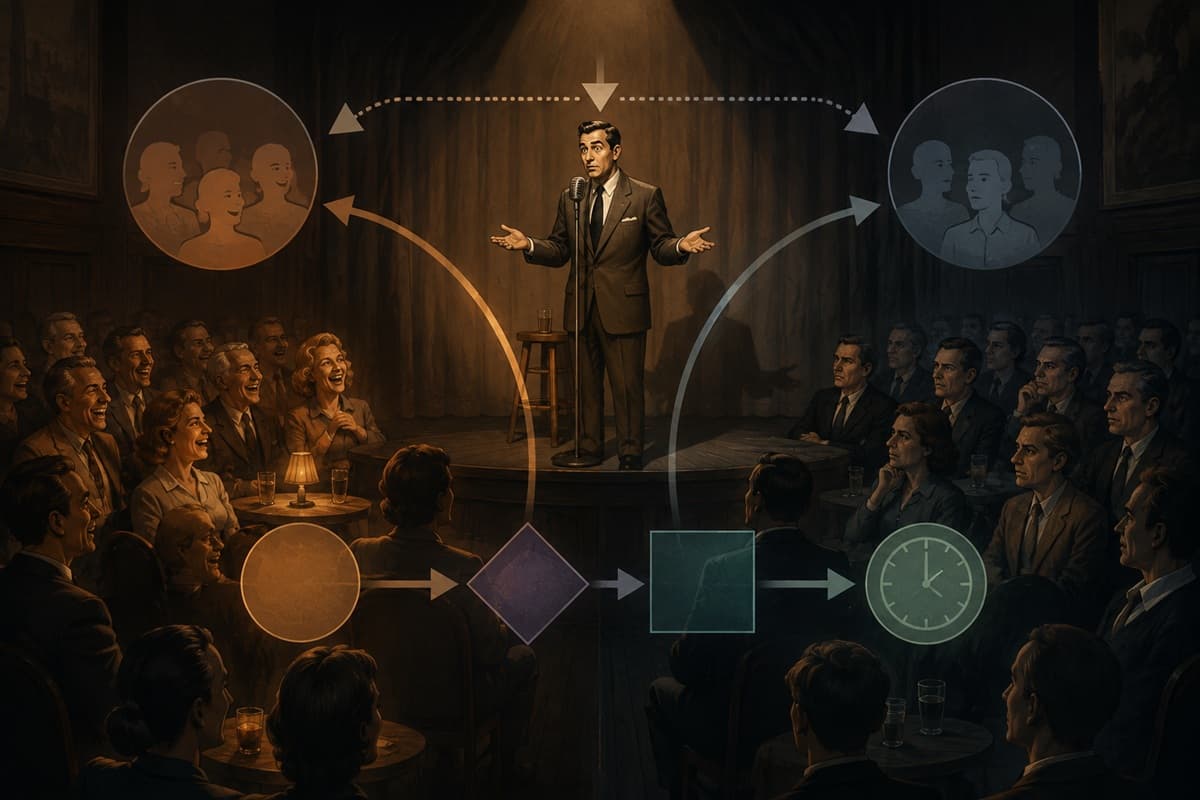
There is no single master key to comedy. Different theories emphasize incongruity, tension and release, social comparison, play, expectation, or combinations of those ideas. Craft adds another layer: word choice, order, timing, delivery, audience knowledge, and the amount of information deliberately left unsaid can all change a response. The same line can delight one audience and puzzle another, or work in a room and fail on a page.
ARTFunny therefore treats comedy mechanisms as lenses rather than laws. A useful explanation should clarify what a joke is attempting without announcing that everyone ought to laugh. The goal is to make the machinery more visible while preserving the awkward fact that humor remains stubbornly human in its variation.
Comedy mechanism
Explore laughter as behavior, communication, response, and social signal without reducing every laugh to one psychological explanation.
Explore Why Do Humans LaughComedy mechanism
Follow the movement from setup and expectation to turn and payoff, while seeing why correct structure alone cannot guarantee a laugh.
Explore How Jokes WorkComedy mechanism
Examine pacing, pause, emphasis, interruption, and release—the parts of a joke that often disappear when only the words are transcribed.
Explore What Is Comedic TimingComedy mechanism
See how comedy guides an audience toward one interpretation, then reveals another that was possible but temporarily hidden.
Explore Why Misdirection WorksComedy mechanism
Study double meanings, sound similarities, ambiguity, and the peculiar pleasure—or groan—created when language abruptly changes tracks.
Explore Why Puns Can Be FunnyComedy mechanism
Consider why surprise, speed, implication, and audience participation can evaporate once every hidden connection is made explicit.
Explore Why Explaining a Joke Usually Ruins ItAuthorship test
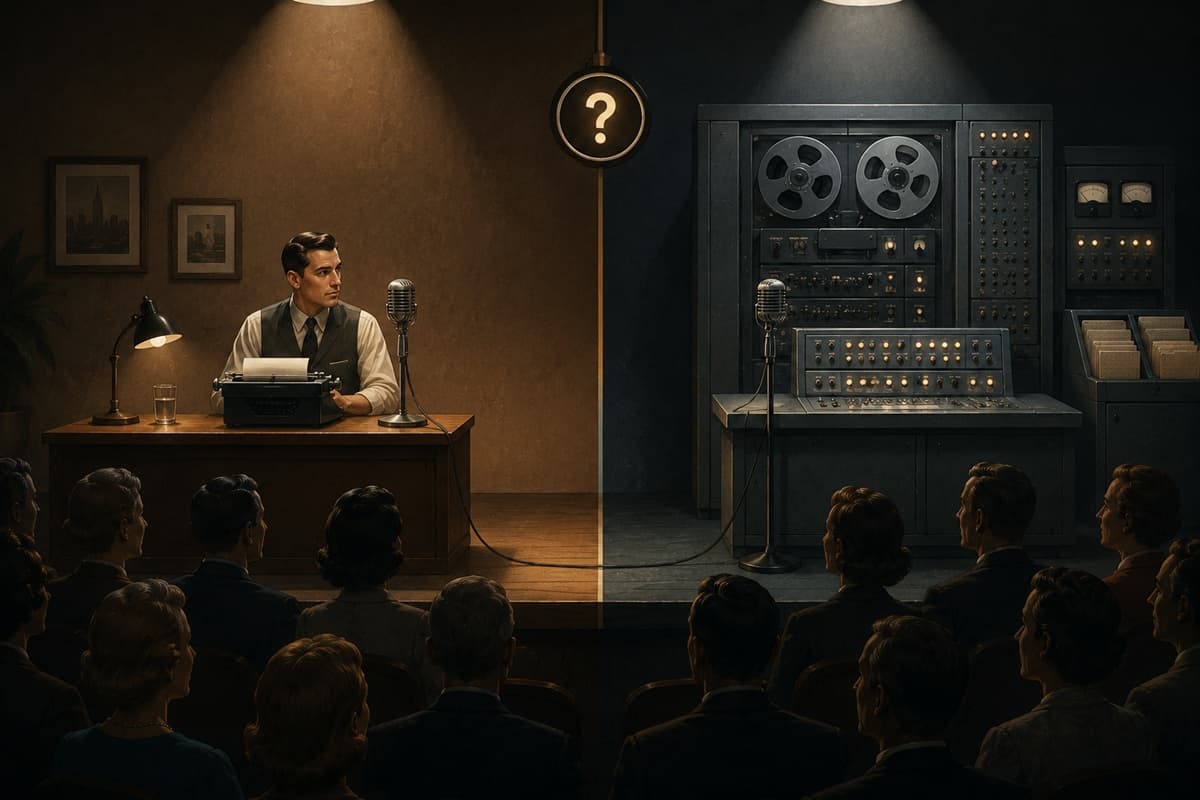
A fair comparison cannot begin by deciding that the human must be soulful and the machine must be clumsy. Both attempts should have a real chance to work. ARTFunny compares original human-editorial writing with deliberately authored machine specimens, then examines structure, strengths, weaknesses, and the assumptions each depends on. Producing a successful line is evidence of successful output. It is not, by itself, evidence that a system felt amusement or understood the joke as a person might.
Topic: coffee
Which attempt works better for you?
Specimen A
I don't need coffee to become a morning person. I need coffee to become a person with a morning.
Specimen B
My coffee maker has one job and starts it before I can form a complete sentence. Finally, management I respect.
Choose before authorship is revealed.
Historical record
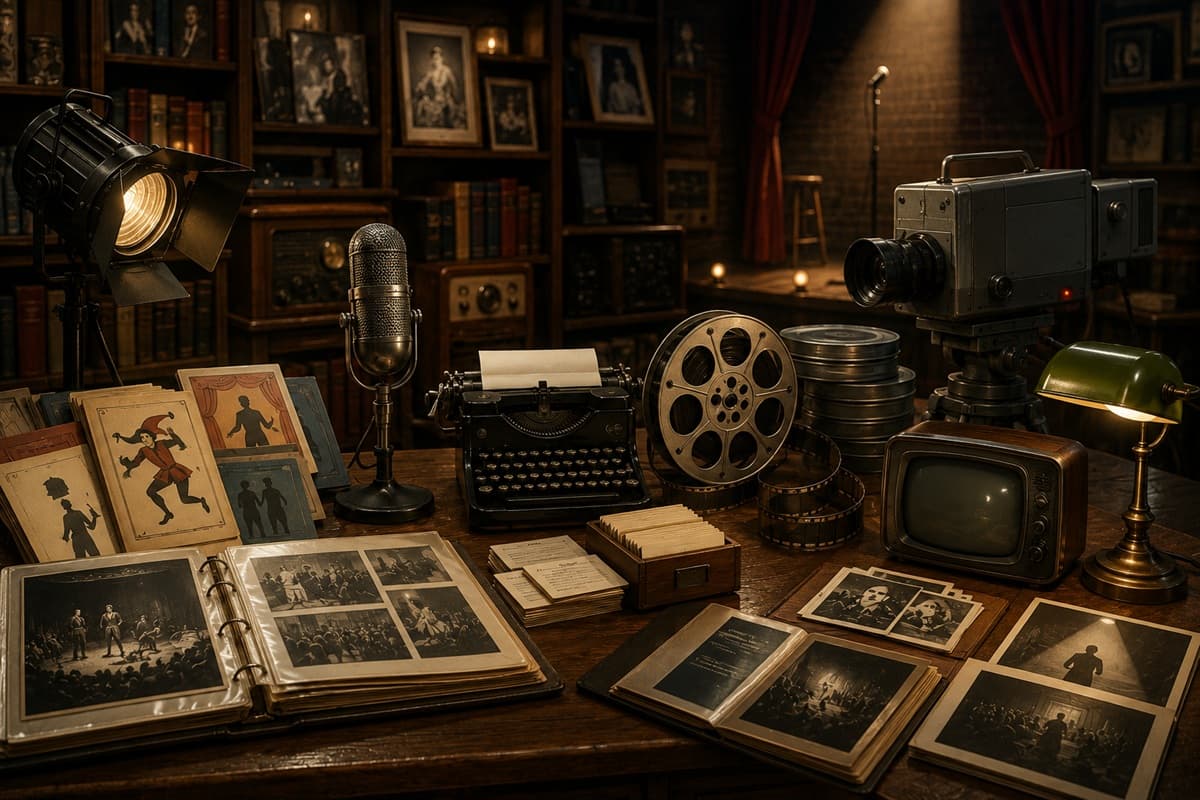
Comedy changes with media, performance spaces, language, social rules, technology, and audiences. What survives from an earlier era is also uneven: a written script preserves different evidence than a live performance, a radio broadcast, a film, or an online post. The archive is therefore less a straight line of progress than a collection of changing tools and traditions.
Ancient Greek comedy — Public performance, satire, character, spectacle, and surviving texts offer an early window into formal comic traditions.
Shakespeare and comic writing — Plays demonstrate how verbal misunderstanding, status, disguise, timing, and character can operate together.
Vaudeville — Variety performance highlights compact acts, repeatable routines, physical skill, musicality, and direct audience response.
Radio — Comedy adapted to sound alone, making voice, rhythm, recurring characters, and imagined space especially important.
Early television — Visual performance entered the home, combining stage traditions with cameras, editing, and new production rhythms.
Stand-up — A performer, a point of view, and an audience create an unusually exposed laboratory for timing, persona, and language.
Sitcoms — Recurring characters and situations make callbacks, expectation, escalation, and relationship dynamics available across episodes.
Internet humor — Memes, short video, remix, rapid context shifts, and networked audiences compress both the creation and mutation of jokes.
Featured archive files: Ancient Greek Comedy, History of Stand-Up, Lucille Ball, Richard Pryor, Misdirection, and Comic Timing.
Editorial observations
ARTFunny uses finding cards to summarize recurring editorial observations, not to impersonate a laboratory study. They are prompts for closer inspection: patterns worth noticing in jokes, performances, and machine output. No card represents a measured universal law, a live visitor result, or a claim that humor can be reduced to a score with enough decimal places.
Finding 01
Surprise helps most when the audience can see, afterward, why the turn belonged there.
Finding 02
A joke can contain a setup and punchline yet produce no useful comic tension.
Finding 03
Many jokes depend on knowledge the speaker never states because the audience is expected to supply it.
Finding 04
The same words can feel different when a pause, interruption, or emphasis changes when the turn arrives.
Finding 05
A reference can compress pages of explanation when the audience already shares the necessary background.
Finding 06
Repeating a pattern can make the audience predict its return, which creates material for escalation or reversal.
Pattern and context
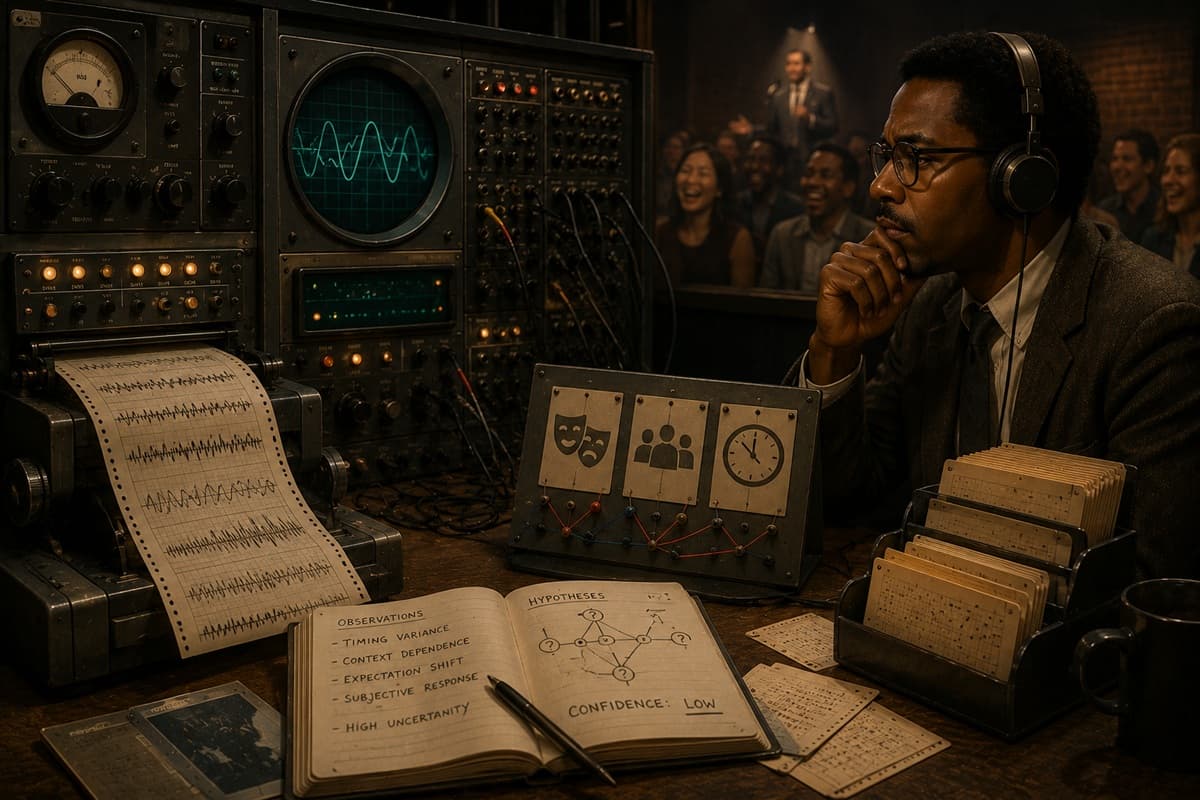
Modern language models can learn patterns from enormous amounts of text and use those patterns to produce new sequences that resemble familiar forms: setup and punchline, understatement, reversal, wordplay, conversational rhythm, or a comic premise extended beyond ordinary logic. This can make machine-written humor surprisingly competent, especially when the task and audience expectations are clearly described.
Comedy also exposes the limits of pattern competence. A joke may depend on local knowledge, shared history, social timing, a speaker’s persona, physical delivery, or the audience sensing exactly how much the performer knows. Context can change between groups and even between two moments in the same room. A system may generate an effective line while offering an explanation that misses why a particular person laughed.
That distinction matters. Producing humorous output is observable. Possessing a subjective sense of humor is a much larger claim. ARTFunny does not use a successful punchline as proof of consciousness, emotion, or lived understanding, and it does not treat a failed joke as proof that machines can never improve at comic writing.
The useful question is not only whether AI can make something that people sometimes find funny. It is also what its successes and failures reveal about structure, context, imitation, originality, and the human habits that comedy quietly depends on. Explore the broader question in AI & Comedy and the site’s labeling and production principles in the AI Disclosure.
Editorial library
Research-backed guides connect comedy craft and theory with the capabilities—and unresolved limits—of artificial intelligence.
Learn
Jokes manage attention. They establish a premise, encourage assumptions, and create a turn that changes how earlier information is understood—then delivery and audience context decide whether it lands.
Dissect joke structureLearn
Funniness can emerge from incongruity, play, tension, status, recognition, and careful craft. Whether it lands depends on context and on what a particular audience contributes.
Investigate what feels funnyLearn
Comedic timing controls when an audience receives information and how long expectations remain active. It belongs to wording, delivery, interaction, and editing—not merely the pause before a punchline.
Study comic timingAI & Comedy
AI systems can produce lines that people find funny. That observable result is worth studying, but it does not settle authorship, originality, understanding, or subjective amusement.
Test AI funniness claimsAI & Comedy
AI jokes often fail for ordinary comedy reasons—weak premises, predictable turns, poor context, and delivery—plus system-specific problems involving repetition, safety, and explanation.
Diagnose AI joke failuresAI & Comedy
AI comedy may develop through collaborative writing, live adaptation, new formats, and personalized tools, alongside unresolved questions about labor, attribution, safety, and culture.
Forecast AI comedyThe investigation continues
No single joke, theory, model, or experiment settles the question. The interesting part is watching the explanations compete: structure against context, pattern against experience, technical competence against taste. Explore the experiments, inspect the archives, and keep one conclusion provisional—the machine has not yet been excused from open-mic night.
Entirely fictional witness statements
Imaginary visitors describe the side effects of prolonged exposure to structured comedy analysis.
“I came to learn why jokes work. I left suspicious of every third item in a list.”
“The machine explained my joke so thoroughly that the joke has requested privacy.”
“Finally, a comedy lab that treats a groan as evidence without calling it peer review.”
“I turned the Humor Dial to five. My browser now has a two-drink minimum.”