Set a topic, comedy type, tone, and surprise level, then inspect the attempt and its weaknesses.
Open the AI joke generatorThe laboratory
Comedy Experiments
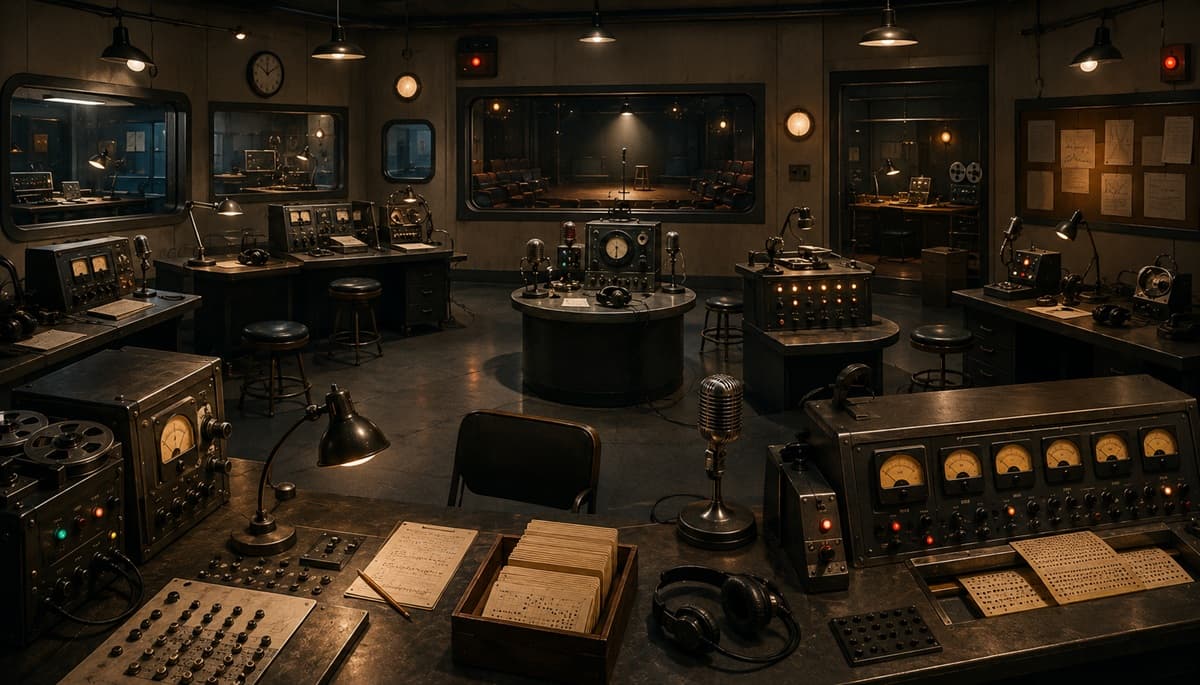
ARTFunny turns questions about comedy into things visitors can inspect rather than merely read about. Eight experiment stations are now open: five stable dataset experiences and three live AI tools for generation, transformation, and analysis. Comedy DNA also offers optional live profiling beside its original examples.
The laboratory theme is playful; the limits are not. These experiences do not measure objective funniness, prove consciousness, or convert a handful of clicks into scientific research. They are structured demonstrations and interactive thought tools designed to make comic mechanisms, context, and machine behavior easier to notice.
Eight stations online
Enter the comedy laboratory
Three live AI tools now join five curated stations. Every live station includes a complete prebuilt demonstration, and no experiment requires an account or saves a visitor submission history.
Compare five comic treatments of one mundane sentence and see exactly what changed.
Transform a sentenceTrace literal meaning, assumptions, turns, wordplay, references, and subjective audience fit.
Analyze a jokeIdentify the AI-designated joke, choose which specimen you prefer, and inspect both mechanisms.
Guess the authorTrace setup, expectation, assumption, turn, punchline, and possible failure points.
Dissect a jokeMove six ordinary premises through five treatments from literal reporting to absurdity.
Turn the humor dialClassify literal and sarcastic readings, then inspect the clues supporting each interpretation.
Test your readingCompare original jokes using clearly labeled interpretive dimensions and mechanism profiles.
Profile a jokeStatic Foundations, Live AI Tools
Five experiments use curated JSON datasets. They randomize examples where useful, reveal answers, maintain local session scores, and let visitors restart without requiring an account or database.
Three live AI tools operate behind secure server routes, and Comedy DNA offers optional live analysis. These tools accept a visitor premise or joke and return generated comedy or structured analysis. Prebuilt examples provide a stable demonstration when the API is unavailable and a controlled baseline for comparison.
This combination keeps the site useful without depending on community data or continuous model access.
What an Experiment Can Show
A static challenge can show whether a visitor correctly identified which of two supplied jokes was designated as the machine specimen. A joke autopsy can show one reasonable way to decompose setup, assumption, turn, and punchline. A sarcasm test can show which context clues support a nonliteral reading.
Those results are local to the interaction. A visitor’s score is not a universal statement about human ability, model performance, or comedy. No login is required for the dataset experiences, and no community statistics are presented.
ARTFunny does not collect or publish aggregate visitor results. The experiments are demonstrations, not population research.
Privacy Posture
The five static experiments operate from supplied data and temporary browser state without a database. Live tools send visitor-entered text through ARTFunny’s server to OpenAI for generation, safety review, or analysis. ARTFunny does not create accounts or retain a submission history, although normal hosting security logs and the provider’s own data practices can still apply.
Visitors should not place confidential or sensitive information into comedy tools. The site does not provide unrestricted personalized roasting or targeted harassment features.
The Eight Experiment Stations
The Comedy Lab
Live AI tool now available. Choose a subject, comedy type, tone, and surprise level, then inspect a generated joke alongside its attempted mechanism, explanation, possible strengths, and weaknesses. A prebuilt result remains available without model access. Open the AI joke generator, or begin with the server-rendered original joke collections.
Human or Machine?
Static experiment now available. Two original comic attempts appear without revealing authorship. The visitor guesses which was designated as the machine specimen and separately chooses which works better for them. The reveal then shows authorship, mechanisms, strengths, weaknesses, and editorial analysis without requiring crowd percentages. Open Human or AI?
Joke Autopsy
Static experiment now available. A curated original joke is broken into setup, expected interpretation, hidden assumption, turn, punchline, and likely mechanisms. The visual sequence is easy to follow while reminding visitors that analysis is interpretive and not every joke contains cleanly separable parts. Open Joke Autopsy
Make It Funnier
Live AI tool now available. Start with an ordinary sentence or premise. The tool returns observational, deadpan, exaggerated, absurdist, and wordplay treatments and explains what changed in framing, wording, scale, or expectation. Open Make It Funnier
Explain a Joke
Live AI tool now available. Supply a joke for structured analysis of literal meaning, implied knowledge, setup, assumptions, misdirection, punchline, wordplay, and cultural context. The output explains why the joke may work and why it may not work for everyone without treating interpretation as certainty. Open Explain a Joke
Comedy DNA
Static and live experiment now available. Curated examples establish standardized dimensions such as mechanism, tone, absurdity, context dependence, wordplay, and surprise; an optional live form applies the same interpretive vocabulary to visitor text. The scales are not scientific measurements. Open Comedy DNA
Sarcasm Test
Static experiment now available. Short statements appear with enough context to make literal and sarcastic readings meaningfully different. The visitor chooses an interpretation, then sees the contextual clue, expectation, literal reading, and intended reading. A local session score makes repeated examples engaging without creating an account. Open Sarcasm Test
Humor Dial
Static experiment now available. One premise appears in five treatments ranging from literal to increasingly comic or absurd. The experiment explains what changed at each step—word choice, exaggeration, incongruity, specificity, or framing—using an analog-style visual dial that fits ARTFunny’s laboratory design. Open Humor Dial
Failure Is Useful Data—But Not Automatically Research
A generated joke that falls flat can be more revealing than a competent one. Perhaps the structure is familiar but the premise is generic. Perhaps the turn is technically valid but too predictable. Perhaps the model explains a social context it did not actually have.
ARTFunny can document those failure modes as editorial observations. Calling them “findings” does not transform them into empirical science. The distinction is important enough to be part of the experiment design itself.
Continue exploring
Continue the Investigation
Read Learn for the theory behind setup, timing, misdirection, and styles. Visit AI & Comedy for the distinction between generation and understanding. Review the AI Disclosure for labeling and limitations, and the Privacy Policy for how live visitor text is processed.
Begin with Human or AI?, or continue with Learn and AI & Comedy for the theory behind the apparatus.