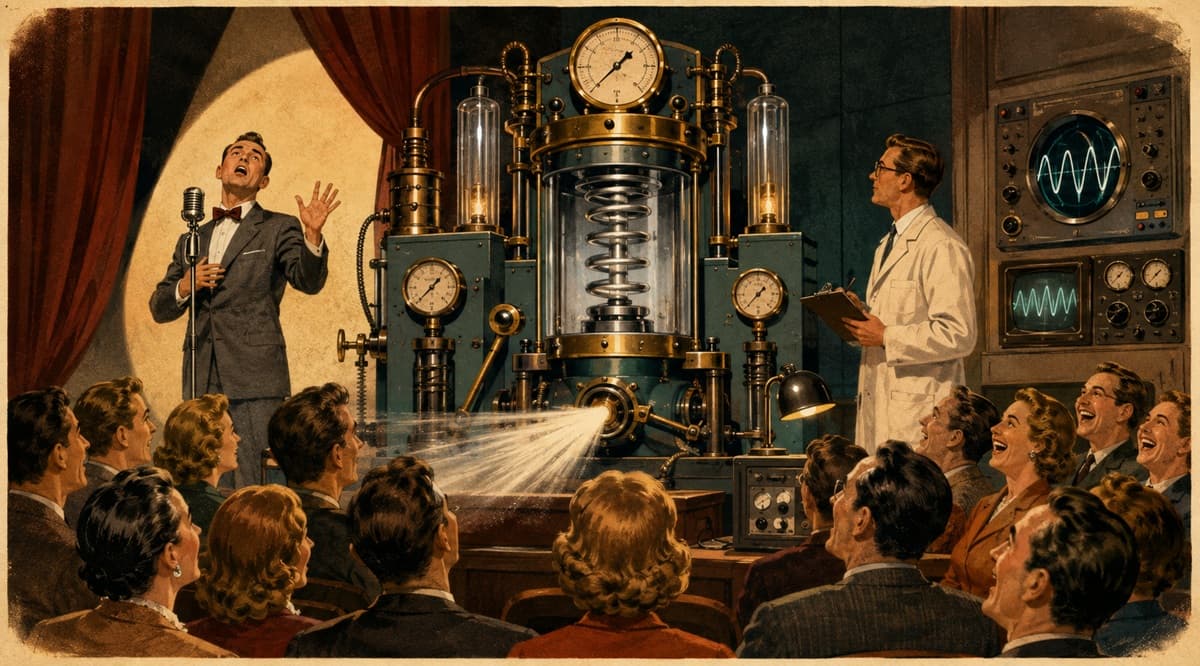
A room grows tense. A speaker approaches a subject nobody has named. The line turns, the danger shrinks, and laughter arrives. Relief theory takes that sequence seriously: comic response can accompany the release of pressure.
The idea fits many experiences, but “tension plus release” is not a complete recipe. A suspense film releases tension without becoming comedy. A pun can work before noticeable tension exists. The lens needs a specific account of what was constrained and how the comic frame changed it.
What relief theory proposes
Historical relief accounts describe laughter in terms of released nervous energy, psychic energy, or inhibition. The Stanford Encyclopedia of Philosophy surveys influential versions and their criticisms, including ideas associated with Herbert Spencer and Sigmund Freud.
Modern writers often use “relief” less literally. The word can describe a change in felt pressure: uncertainty becomes harmless, an awkward truth becomes speakable, or an audience receives permission to shift frames.
This looser version is valuable as description, provided it is not presented as a measured fluid leaving the mind.
How comedy builds pressure
Tension can come from several sources:
- a delayed outcome;
- a social rule that restricts speech;
- a character’s escalating mistake;
- a topic associated with fear or embarrassment;
- a repeated pattern awaiting completion;
- uncertainty about the speaker’s intention.
A pause can increase pressure by holding the audience between interpretations. A long setup can make the cost of resolution feel larger. A taboo can create attention before the material says anything insightful.
That last point matters: tension can produce intensity without producing quality.
Release changes the frame
In comedy, release often arrives through reduction. A grand fear becomes an ordinary inconvenience; an intimidating authority becomes preoccupied with lunch; a social disaster is reframed as paperwork.
“The emergency planning meeting was postponed because nobody planned for the meeting” releases institutional seriousness through self-defeating logic. The problem does not disappear, but the frame makes it inspectable.
Recognition can also release tension. When a performer names a shared awkward habit, the laugh may communicate, “This private discomfort is not private after all.” The social response is part of the release.
Difficult subjects and comic distance
Comedy sometimes helps audiences approach grief, illness, politics, identity, or fear. Distance can come from time, fiction, exaggeration, persona, or the speaker’s relationship to the material. The benign-violation theory offers a related account: a violation may become humorous when it is also perceived as benign.
Neither framework grants automatic permission. A subject that feels manageable to the speaker may remain immediate to the audience. Laughter can coexist with discomfort, and silence does not prove that an audience failed to understand.
Nervous laughter is not necessarily comedy
People laugh during embarrassment, uncertainty, and social stress. The behavior may reduce friction or signal nonthreatening intent. It should not be taken as evidence that the situation was enjoyed.
This distinction prevents relief theory from swallowing every example. If laughter follows tension, analysis still needs to ask whether humor was perceived, whether the response was communicative, and whether power constrained other reactions.
Comic "relief" should not be confused with stress management. Readers seeking practical, non-comedy approaches to everyday stress can separately explore breathing, grounding, and self-care resources at Daily Calm AI.
Craft implications
Writers can use the relief lens without treating it as a formula:
- Identify the source of pressure.
- Decide how long the audience should hold it.
- Make the release transform rather than merely stop the tension.
- Check whether the comic frame is available to this audience.
- Avoid using a charged topic as a substitute for observation.
- Leave room for mixed responses.
Timing is crucial because release before tension feels weightless, while tension held too long can overwhelm the play frame. Explore that relationship in comedic timing.
What the theory leaves out
Relief theory says little about why one release is witty and another merely reassuring. It does not fully explain language play, delighted recognition, or humor without detectable pressure. It can also encourage unverifiable claims about hidden energy.
Use relief as one question: What became easier, safer, or newly speakable at the moment of response? Then compare the answer with incongruity, status, play, wording, and context.
Try applying those lenses to the same example in the experiment laboratory. The explanations may compete—and comedy rarely minds having several suspects.