Prebuilt exampleSubmit the form to replace this example with a live result.
Conversation utility
Witty Comeback Generator for Texts & Chats
Generate three playful replies for awkward texts, group chats, silences, and low-stakes disagreements.
- Texting
- Replies
- De-escalation
What this tool changes
Create options without raising the temperature.
A useful comeback is not necessarily the most cutting sentence. It should acknowledge the social moment, give the sender a voice they can plausibly use, and leave the conversation easier—not harder—to continue. The selected context helps distinguish teasing in a group chat from a disagreement that needs restraint.
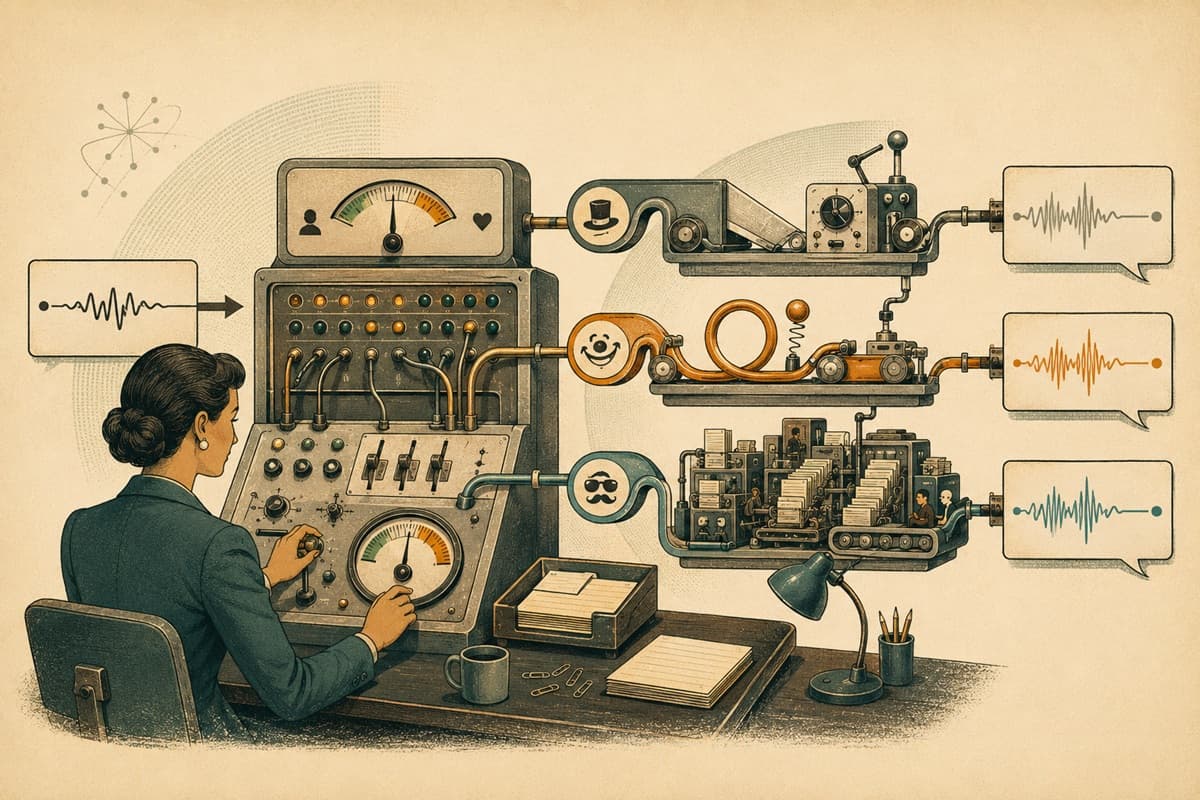
The three outputs use different comic mechanisms. The sarcastic turn redirects the premise, the self-deprecating deflection makes the speaker the safe target, and the absurd escalation moves the exchange into an obviously invented world instead of intensifying the real conflict.
Better input, better result
Give the tool useful raw material.
- Paste only the message needed to understand the moment. Remove names, phone numbers, handles, locations, and the rest of the private conversation.
- Select the context by the relationship and emotional stakes, not merely by the app where the message appeared.
- Decide what the reply should accomplish before generating: reopen a conversation, acknowledge awkwardness, set a boundary, or give friends a harmless laugh.
Before you send or speak
Review the output in context.
Read the original message once without assuming the worst possible tone. If the sender may be hurt, frightened, or discussing a serious boundary, a direct answer is safer than sarcasm and no generated joke needs to be sent.
Choose the shortest reply that sounds natural in your voice. Remove any line that targets identity, appearance, vulnerability, or a private fact, and avoid absurd escalation when clarity or an apology would resolve the moment better.
Inside the demonstration
Why the prebuilt example works
The prebuilt late-reply example makes the responder—not the frustrated sender—the comic target. A software update, distracted pigeon, and fictional council acknowledge the delay while replacing defensiveness with harmless absurdity.
Continue the investigation